Elegant Terns, for lack of any better distant bird photo to put on here.
Actually, I don't even have a scope. Last time I looked at quality scopes, all of them cost over $1500. Teenage birders dare not ask their parents for anything above $500, especially if it's another piece of equipment used to look at birds with, when "binoculars are fine."
So today, I write a post about birding equipment. Yes, birding equipment. Could you imagine anything more boring? Birders definitely can.
"Yo, I just got the Kowa TSN-821 M-Angled Spotting Scope. It's waterproof to JIS Protection Class 7! It has a MFD of 6m. Imagine that! It also has a 82mm lens too. I was going to buy a Kowa TSN 820 M model but it cost 10 million dollars!"
"Dude, I have a Kowa TSN 820 M model. It's awesome. It has a QWOIUOIRU of 10298098 and also a 1091090 MROI. How awesome is that?"
Of course, this conversation is a little exaggerated, because most birders aren't "cool" enough to say "Dude," and "Yo,"
1. The CAMERA
Overview
A birder without a camera is nowadays considered a birder unarmed with the necessary Equipment For Vagrant Proof. The situation is now so bad that people will not believe in sightings of Brown Creepers on local listservs across Southern California. It is hard to fight this growing wave of Slightly-Uncommon-Rare-Bird cynicism syndrome. It's a lot easier to just go with the flow and buy a cheap P&S camera. It will be worth it.

Because Brown Creepers are so hard to identify.
Details
Bird photography is an immensely complicated thing, and attempting to give a crash course on it might end up sounding like the conversation a few paragraphs above. If all you want is to be armed with Equipment For Vagrant Proof, there's not going to be information of much use here.
10-Minute CRASH COURSE Bird Photography
Aperture- The lower the aperture value on your camera, the more pleasing background you'll get. You'll also get a faster shutter speed. People argue a lot about what aperture is best for bird photography. Ignore those people. Experiment around with your camera and see what produces the best photos.
ISO- High ISO results in faster shutter speed but a noisier photo. You only really want to jam the ISO up where low lighting and how much of your camera is zoomed out make the shutter speed impossibly slow.
Shutter Speed- Exactly what it sounds like.
Angle- Get to the eye level of your bird. For example, if I saw a Sora in a muddy field, I would lie down right on my belly to get eye level to the bird. If I saw a Bald Eagle on a cliff, I would scale an equally tall tree right next to the cliff to get eye level to the bird. What you're willing to do depends on how crazy you are. May be fatal.
Recommended Models: Under $400: Canon SX50, Nikon P510
2. BINOCULARS

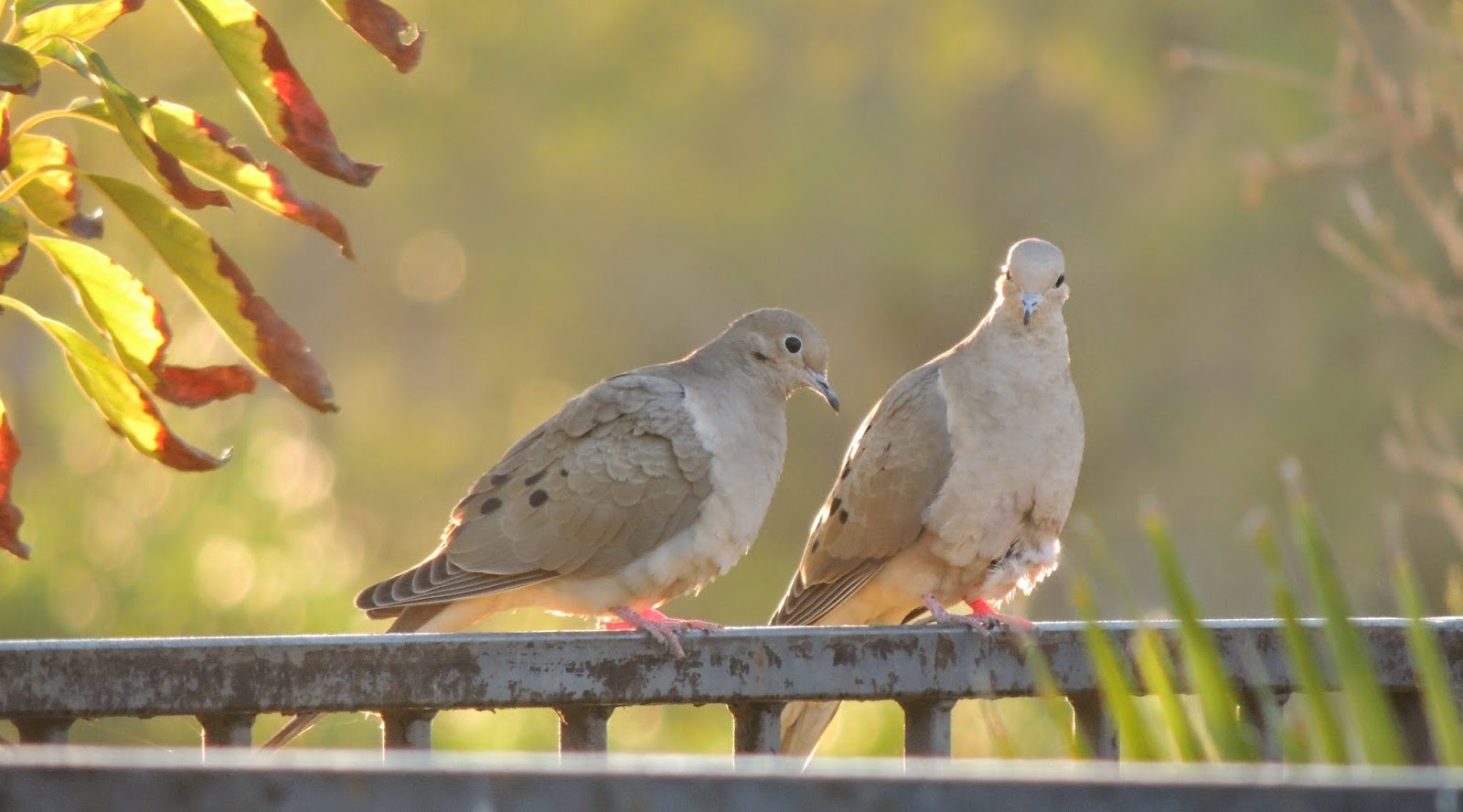
What do you put as a picture for a section of binoculars? I don't know, so I just picked a random one.
Overview
The binoculars are the best method for identifying birders. Most birders utilize the Binocular Cost system. If you don't have binoculars, you're a nonbirder. If your binoculars don't cost above $100, you are a birdwatcher. If you have Leicas, then you're a twitcher. If you don't know what a twitcher is, but you have binoculars above $100, you're a birdwatcher. It's as simple as that.
Details
All you really need to know is that 8X42 binoculars are the best, give or take a couple digits on both those numbers. The details on what these numbers mean and blah blah blah are only of use when you run out of interesting topics to discuss with your fellow birders, and have to resort to long and boring conversations about binoculars to hold the awkward-ness back.
Recommended Models: There are so many excellent, cheap binoculars on the market that a quick google search will find you a decent model
3. SPOTTING SCOPE

This Alcidaegaviapodicepidae Unidentifiablus would maybe become an Ancient Murrelet, and be added nicely to my life list, if I had a scope.
Overview
If you dislike leaving distant birds unidentified, which is every birder (and if you don't mind leaving distant birds unidentified you're a birdwatcher and probably have binoculars under $100), than a spotting scope is a must. Unfortunately, spotting scopes are large, cumbersome, and make birders look even nerdier than they already do. This is OK if you're a birder. It's worth getting that extra daybird, or even a lifer.
Details
There are two basic scope models, angled and straight. Most birders prefer angled scopes (myself included).
A good tripod is a must for a scope. Using a scope without a tripod is almost guaranteed to make you throw up, or at least give the impression of riding in a concrete mixing truck.
Recommended Model: Under $400: Bushnell Spacemaster Under $700: Viper Vortex (Angled)
-chiccadee